Four things decide whether an instrument of this kind is any good, and none of them is what it looks like.
Timber
The dense hardwoods: bloodwood, which is red through and through and takes a glass polish; purpleheart, which is brown when cut and turns violet in the light; macassar ebony, black streaked with tan, dense enough to carry an engraved line without tearing; rosewood, zebrawood, bubinga, walnut, white oak. All of it is bought as boards and seasoned for a year in the shop before it is cut, because timber that moves after it is made into an instrument makes the instrument lie. Veneers are sawn, not sliced, where I can get them, which is thicker and truer in colour.
Dragon's blood
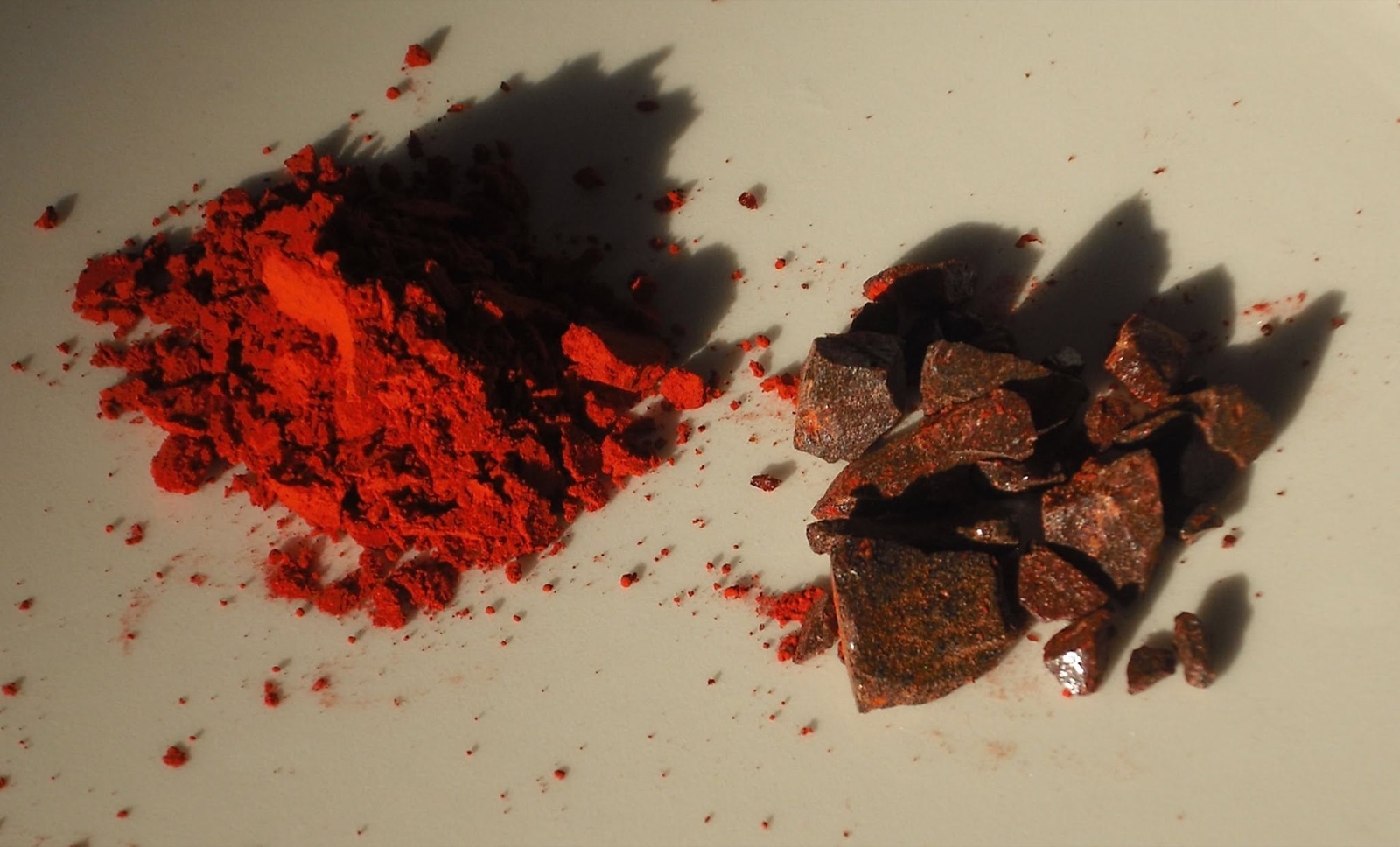
The red finish is not paint and not stain. It is the resin of the dragon tree, Dracaena and the rattan Daemonorops, which bleeds red from the bark and sets hard, ground to powder and dissolved in spirit. It has coloured violins, reliquaries and the gilder's bole for as long as any of those have existed. Built up in thin coats over a pale timber and rubbed back between them, it lets the grain show through the red like a lamp behind a curtain. It is the colour people ask for by name.
Brass
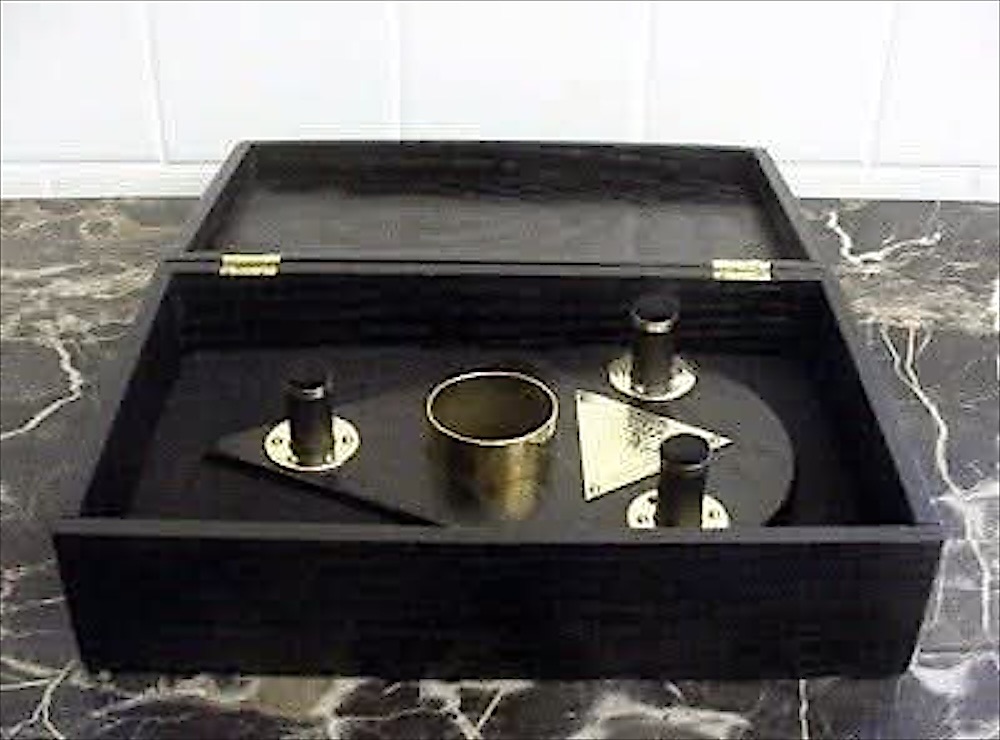
Lens rings are turned from thin-wall tube, thirty-two thousandths, so that the ring is a fine line rather than a bezel. Feet are turned from solid bar. Pencil clamps and the thumbscrews that hold them are made in-house, because the ones that can be bought are pot metal. The engraved plates are cut, not etched. Rods for dowsing are drawn, not cast, because cast brass is never straight.
Phi
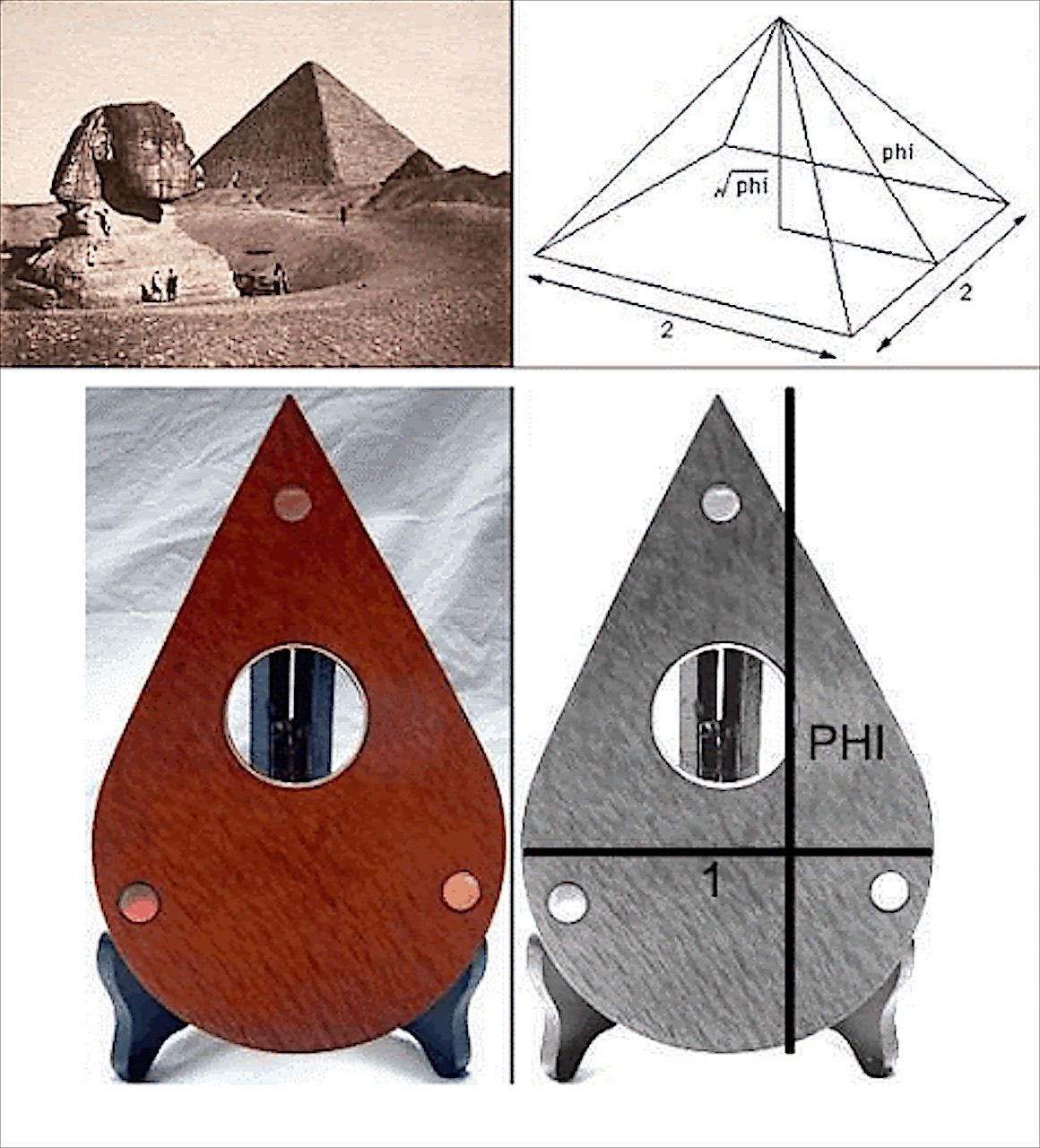
Every board and every planchette is cut to one to 1.618, the golden rectangle, the width to the height. I did not start there. I started by measuring the antique boards and planchettes that sat well under the hand and finding, over and over, that they were close to it, and then I cut to it deliberately. The proportion is the same at both scales, so the pointer is the board in miniature, and the pivot of the board's arcs sits where the spiral converges, which is where the eye rests. That is the whole of my mysticism about it. The figure is below, and it can be drawn with a compass.
Stone
There is a stone in nearly every instrument I make, and it is not there for the photograph. It sits under the pivot: the point on a board where the arcs converge and the sitters’ weight falls, the point on a pendulum board from which every reading is taken. Lapis as standard, because it was the stone of the séance table for two centuries and its pyrite flecks are the stars; clear quartz where the instrument is to be pressed rather than looked at, because quartz is the one material on the table that answers pressure with a charge, and has been known to since 1880; tiger’s eye, obsidian, malachite, carnelian, or whatever the commission asks for.
Which stone is not an arbitrary choice, and the reasoning is longer than this page. The stones, their chemistry, their history and the planets the old lapidaries assigned them to are set out at Crystals, which is the same bench and the same hand.
The case
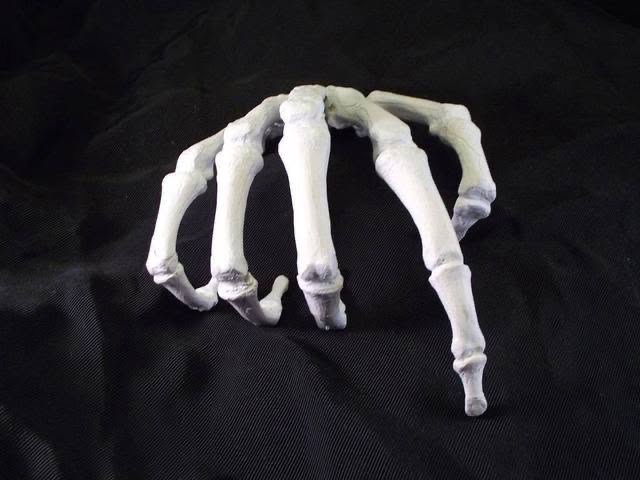
Black-lacquered, hinged, lined in velvet, cut to the instrument. My instruments travel and are kept, and both deserve a box. The skeletal planchette's case is called the Ossuary; the others are not named, but they are made the same way.
The other half of the bench
The instruments on this site are worked on a table. The same timbers, the same brass and the same stones also go into things that are worn, and those are a separate trade with its own two houses: the amulet, which is carried and turns harm aside, and the talisman, which is cut at a named hour in a named metal to draw a thing toward you. The old English word covering both is charm. A board and a charm are not the same object and I would not pretend otherwise, but they are made at the same bench, out of the same drawer of stone, by the same pair of hands.